


Pain can be frustrating, especially when it limits your daily activities. But did you know that not all pain is the same? Understanding whether your discomfort is caused by muscle weakness or stiffness is key to effective treatment.
At Active Health Clinic Glasgow, we specialise in identifying the root cause of musculoskeletal pain and providing targeted physiotherapy solutions. By knowing the difference between weakness and stiffness, you can recover faster and prevent future injuries.
Why Identifying the Cause Matters
Many people experience pain in the lower back, shoulders, or knees, but treating the wrong cause can delay recovery.
- Weakness-related pain often comes from muscles that are too weak to support joints properly.
- Stiffness-related pain arises from restricted joint movement or tight muscles.
Statistic: According to a 2022 study by the British Journal of Sports Medicine, 65% of musculoskeletal injuries in adults were linked to muscle weakness, while 35% were related to stiffness or limited mobility.
Correctly identifying the source of pain allows physiotherapists to design customised exercise programs rather than relying on generic stretches or medication.


Signs Your Pain May Be Due to Weakness
Muscle weakness can lead to joint strain, imbalance, and pain. Common signs include:
- Difficulty lifting or supporting weight
- Fatigue during activities that were previously easy
- Poor posture or slouching due to weak core muscles
- Pain that increases with activity but improves with rest
Tip: Weakness is often subtle. You may notice your knees or lower back aching after standing or walking, even though there’s no swelling or stiffness.
Common areas affected by weakness:
- Core muscles: Can contribute to lower back pain
- Shoulders and upper back: Can cause neck and arm discomfort
- Glutes and legs: Can lead to knee or hip pain
Signs Your Pain May Be Due to Stiffness
Stiffness occurs when joints or muscles have limited range of motion, restricting movement and causing discomfort. Look for:
- Difficulty bending, twisting, or reaching
- Pain that improves with movement but worsens after rest
- Muscles feeling tight or “frozen” in the morning
- A sense of resistance when performing stretches
Statistic: Research indicates that 60% of adults over 50 experience stiffness-related pain, often due to inactivity, poor posture, or age-related degeneration.
Tip: Stiffness can often be improved with mobilisation, stretching, and gentle movement, but forcing joints beyond their range can make pain worse.
Weakness vs Stiffness: How to Tell the Difference
| Feature | Weakness | Stiffness |
|---|---|---|
| Pain pattern | Worse with activity, improves with rest | Worse after rest, improves with movement |
| Mobility | Normal range, but weak | Limited range, tight muscles |
| Trigger | Muscle fatigue or overuse | Immobility or prolonged positions |
| Typical solution | Strengthening exercises | Stretching and joint mobilisation |
How Physiotherapy Can Help
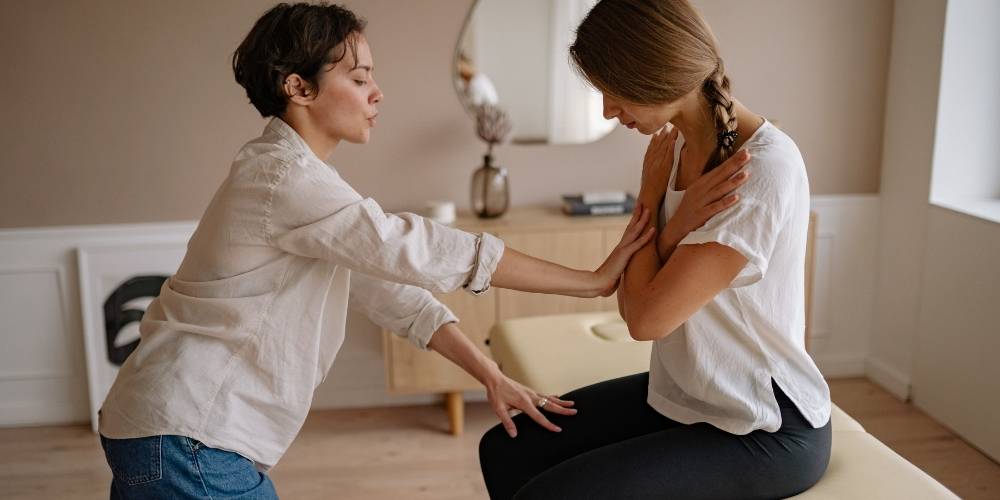
Physiotherapists are trained to assess both weakness and stiffness. At Active Health Clinic Glasgow, we use:
- Strength testing to identify weak muscles
- Range of motion assessments to measure stiffness
- Personalised exercise programs combining strength, flexibility, and mobility
- Manual therapy techniques for joint mobilisation
- Education on posture and ergonomics to prevent recurrence
Stats & Evidence:
- Studies show that a targeted physiotherapy plan improves strength-related pain in over 70% of patients within 6–8 weeks.
- For stiffness, regular stretching and mobilization reduces pain and improves function in over 60% of adults.
Simple Home Tips for Weakness-Related Pain
- Core strengthening exercises: Planks, bridges, and bird dogs
- Lower limb strengthening: Squats, lunges, and calf raises
- Progressive resistance: Gradually increase weight/resistance to rebuild strength
- Functional movements: Practice movements used in daily life to prevent imbalance
⚠️ Avoid overloading weak muscles too quickly—this can worsen pain or cause injury.

Simple Home Tips for Stiffness-Related Pain
- Dynamic stretching: Gentle movement stretches like arm circles or hip rotations
- Foam rolling: Helps relax tight muscles
- Frequent movement breaks: Especially if sitting for long periods
- Heat therapy: Increases blood flow and reduces stiffness
Pro tip: Combine strengthening and mobility exercises for the best long-term results.
When to Seek Professional Help
Even with home exercises, professional guidance is critical if:
- Pain persists for more than 4–6 weeks
- You experience numbness, tingling, or weakness in limbs
- There is sudden, severe pain after trauma
- Pain interferes with daily activities or work
A physiotherapist can determine whether your pain is primarily caused by weakness, stiffness, or a combination, and design a plan that addresses the root cause.
Conclusion
Understanding whether your pain stems from weakness or stiffness is the first step toward recovery. With the right physiotherapy approach, you can:
- Reduce pain
- Improve mobility and strength
- Prevent future injuries
- Regain confidence in daily activities
At Active Health Clinic Glasgow, we specialise in personalised assessments to pinpoint the cause of pain and provide practical, effective treatment strategies. Don’t let uncertainty delay your recovery—take action today!
Schedule a consultation now and discover whether your pain is coming from weakness, stiffness, or both, and get a plan tailored just for you.