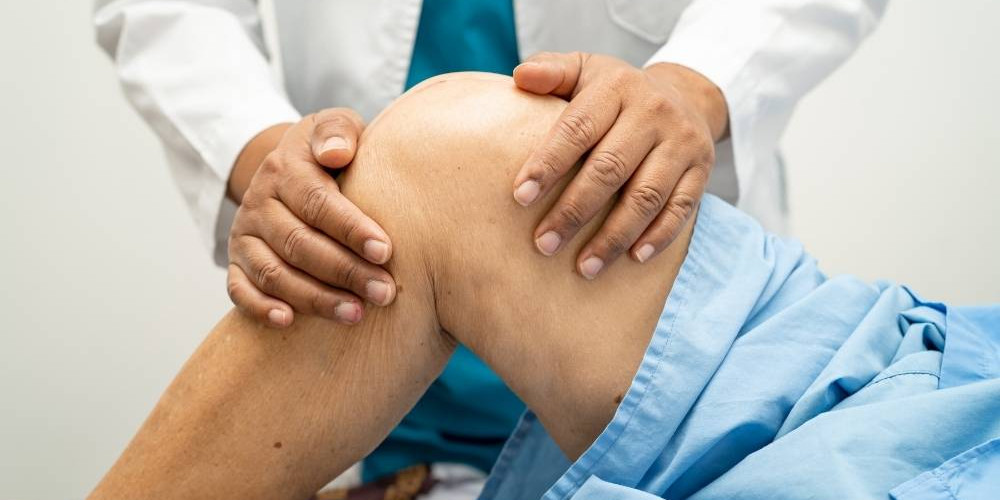
When pain, stiffness, or injury strikes, many people ask the same question:
“Should I book a massage or see a physiotherapist?”
At Active Health Clinic Glasgow, we regularly see patients who’ve tried massage, physiotherapy, or both — sometimes in the wrong order.
While massage and physiotherapy can complement each other, they are not the same, and choosing the right approach can make a significant difference to your recovery, results, and long-term health.
This guide breaks down massage vs. physiotherapy, explains the key differences, and helps you decide which option is best for your needs.
What Is Massage Therapy?
Massage therapy focuses on manipulating soft tissues such as muscles, fascia, and connective tissue to reduce tension, promote relaxation, and improve circulation.
Common goals of massage:
- Relieve muscle tightness
- Reduce stress and tension
- Improve short-term flexibility
- Promote relaxation and recovery
Massage is often used for:
- General muscle soreness
- Stress-related tension
- Post-exercise recovery
- Relaxation and wellbeing
Massage can feel great — but it doesn’t always address why pain or dysfunction exists.

What Is Physiotherapy?
Physiotherapy is a regulated healthcare profession that assesses, diagnoses, and treats pain, injury, and movement dysfunction using evidence-based methods – for more information read this post about the science behind pain relief.
Physiotherapy focuses on:
- Identifying the root cause of pain
- Restoring movement and function
- Improving strength, mobility, and control
- Preventing recurrence and future injury
Treatment may include:
- Movement assessment
- Exercise prescription
- Manual therapy (including massage techniques)
- Education and load management
- Rehabilitation and performance training
Physiotherapy aims for long-term outcomes, not just short-term relief.
Why Understanding the Difference Matters
Here’s why choosing the right treatment matters:
- Up to 80% of adults experience musculoskeletal pain at some point in their lives
- Chronic pain accounts for over 30% of GP appointments in the UK
- Exercise-based rehabilitation is recommended as first-line treatment for many musculoskeletal conditions
- Passive treatments alone (like massage) show limited long-term benefit without active rehab
Understanding what each approach does — and doesn’t do — helps you make informed decisions.
Massage vs. Physiotherapy: Key Differences Explained
1. Assessment and Diagnosis
Massage Therapy
- Typically no formal diagnosis
- Focuses on areas of tension or discomfort
- Symptoms are treated rather than causes
Physiotherapy
- Detailed assessment of movement, strength, posture, and function
- Identifies underlying biomechanical or load-related issues
- Treatment is guided by diagnosis
✔️ Physiotherapy identifies the “why” behind your pain.
2. Treatment Approach
Massage Therapy
- Passive treatment
- Therapist does the work
- Relief is often temporary
Physiotherapy
- Combination of passive and active treatment
- Emphasis on exercises and self-management
- Builds long-term resilience
✔️ Physiotherapy empowers you to manage your condition.
3. Long-Term Results
Massage Therapy
- Short-term symptom relief
- Benefits often last hours or days
Physiotherapy
- Aims for sustained improvement
- Reduces recurrence and reinjury risk
- Improves strength, movement quality, and confidence
✔️ Physiotherapy delivers lasting change.
4. Evidence and Clinical Guidelines
- Clinical guidelines consistently recommend exercise and education as first-line care for musculoskeletal pain
- Passive treatments alone show limited long-term effectiveness
- Combining manual therapy with exercise leads to better outcomes
Physiotherapy aligns with modern, evidence-based healthcare standards.
5. Conditions Each Is Best Suited For
Massage is often helpful for:
- Muscle tightness
- Stress-related tension
- Post-exercise soreness
- General relaxation
Physiotherapy is ideal for:
- Sports injuries
- Back, neck, and joint pain
- Tendon and ligament injuries
- Post-surgical rehab
- Recurring or chronic pain
- Injury prevention and performance

Can Massage and Physiotherapy Work Together?
Yes — when used appropriately.
Massage can:
- Reduce muscle tone
- Improve comfort
- Help patients relax before exercise
Physiotherapy ensures:
- The root cause is addressed
- Strength and movement are restored
- Progress is measured and adjusted
At Active Health Clinic Glasgow, massage techniques are often integrated within physiotherapy treatment — not used as a standalone solution.
Which One Should You Choose?
Ask yourself these questions:
- Is your pain recurring or persistent? → Physiotherapy
- Did the issue start after injury or training? → Physiotherapy
- Are you just tight or stressed with no injury? → Massage
- Do symptoms return after massage? → Physiotherapy
- Do you want long-term improvement? → Physiotherapy
If in doubt, start with physiotherapy — you can always add massage later if needed.
What the Research Shows
Evidence highlights the importance of active care:
- Exercise therapy can reduce chronic pain by up to 50%
- Strength training reduces injury risk by up to 68%
- Patients receiving education + exercise report better long-term outcomes than passive treatment alone
- Recurrent injuries are far more common when rehab is incomplete
Massage alone rarely addresses these factors.
Practical Tips for Better Results
To maximise recovery and results:
- Don’t rely solely on passive treatments
- Address strength, mobility, and load tolerance
- Follow a structured rehab plan
- Use massage as a supplement, not a solution
- Seek professional assessment early
Final Thoughts
Massage and physiotherapy both have value — but they serve different purposes.
Massage can help you feel better.
Physiotherapy helps you get better.
If pain, injury, or movement problems are affecting your life, addressing the root cause is essential for long-term results.
At Active Health Clinic Glasgow, our expert physiotherapists combine hands-on care with evidence-based rehabilitation to help you move better, feel stronger, and stay active.
Active Health Clinic Glasgow
We provide evidence based physiotherapy and massage techniques to help cure your pain. Get in touch with us now and book an appointment in Glasgow.