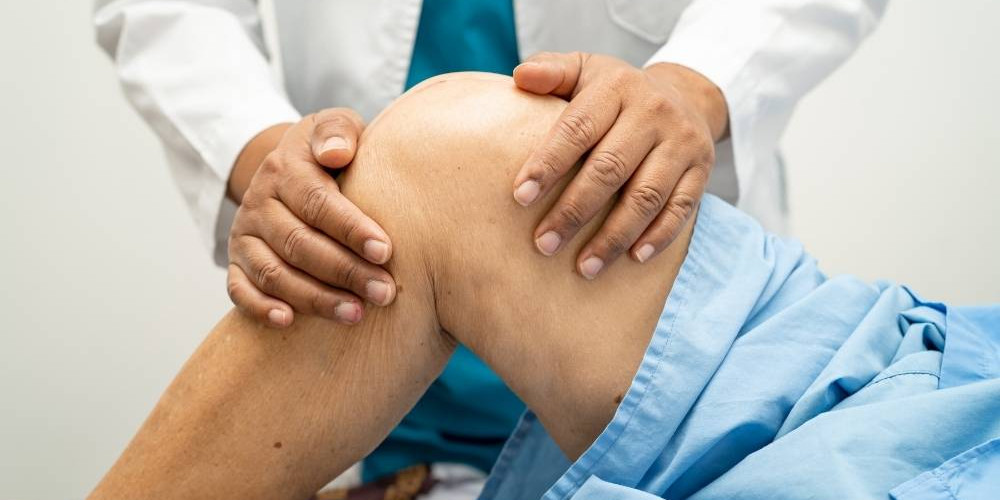
Suffering an injury can be frustrating, painful, and disruptive to everyday life.
One of the most common instincts after injury is to rest completely — avoiding movement in fear of causing further damage.
While rest has its place, modern physiotherapy strongly supports early, guided movement as a critical part of recovery.
At Active Health Clinic Glasgow, we regularly help patients recover faster and more confidently by introducing safe movement early in the healing process.
In this article, we explain why early movement after injury matters, how it helps the body heal, and what kind of movement is safe.
What Is Early Movement in Injury Recovery?
Early movement refers to gentle, controlled activity introduced soon after injury, rather than prolonged immobilisation. This does not mean pushing through pain or returning to sport too quickly. Instead, it involves:
- Low-load, pain-free movements
- Guided physiotherapy exercises
- Gradual reintroduction of normal function
- Nervous system re-education
Research shows that movement promotes healing at a cellular, muscular, and neurological level.
The Science Behind Early Movement
Studies consistently show that immobilisation leads to weakness, stiffness, and delayed healing.
According to research published in The British Journal of Sports Medicine, muscle strength can decline by up to 3–5% per day during complete rest.
Early movement helps by:
- Increasing blood flow to injured tissues
- Stimulating collagen alignment in healing muscles and tendons
- Preventing joint stiffness
- Maintaining neuromuscular control
Key Stat: Patients who begin guided rehabilitation within the first 7 days of injury recover 30–40% faster than those who delay movement.
Benefits of Early Movement After Injury
1. Reduces Pain and Inflammation
Gentle movement helps regulate inflammation and prevents pain signals from becoming overactive. Movement stimulates natural pain-relieving chemicals such as endorphins.
2. Prevents Muscle Wasting
Without movement, muscles rapidly lose strength. Even light activation helps preserve muscle fibres and maintain coordination.
3. Improves Joint Mobility
Joints rely on movement to circulate synovial fluid, which keeps cartilage healthy and lubricated.
4. Boosts Confidence and Mental Wellbeing
Fear of movement is one of the biggest barriers to recovery. Early movement builds trust in your body and reduces anxiety.
Common Myths About Rest After Injury
- “I should rest until all pain is gone”
Pain does not always mean damage. In many cases, avoiding movement can prolong pain.
- “Movement will make my injury worse”
When prescribed correctly by a physiotherapist, movement supports healing rather than harming it.

What Type of Movement Is Safe?
A physiotherapist will tailor exercises based on:
- Injury type and severity
- Stage of healing
- Pain levels
- Individual goals
Safe early movement may include:
- Range-of-motion exercises
- Isometric muscle contractions
- Light weight-bearing activities
- Controlled stretching
When Should You Avoid Movement?
There are cases where temporary immobilisation is required, such as:
- Certain fractures
- Post-surgical protocols
- Acute nerve compression
This is why professional assessment is essential.
Frequently Asked Questions: Early Movement After Injury
How soon after an injury should I start moving?
In most cases, gentle movement can begin within 24–72 hours after injury. This depends on the type and severity of the injury, so professional assessment is recommended.
Can moving too early make my injury worse?
Uncontrolled or excessive movement can aggravate an injury, but guided physiotherapy exercises are designed to support healing, not delay it.
Is pain during movement normal after injury?
Mild discomfort is common, but sharp or worsening pain is not. A physiotherapist helps you understand what sensations are safe.
Does early movement reduce recovery time?
Yes. Research consistently shows that patients who begin guided rehabilitation early recover faster and regain function sooner.
Final Thoughts
Early movement after injury is one of the most powerful tools in modern physiotherapy.
When guided correctly, it reduces pain, speeds recovery, and prevents long-term complications.
If you’ve recently been injured and are unsure how to move safely, a physiotherapy assessment can make all the difference.
Active Health Clinic Glasgow
We provide evidence based physiotherapy and massage techniques to help cure your pain. Get in touch with us now and book an appointment in Glasgow.