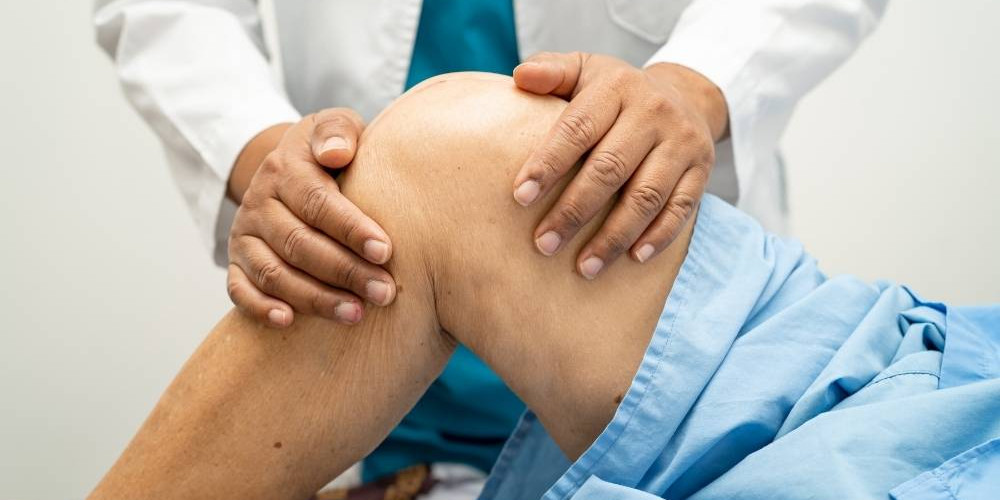
Winter often brings colder temperatures, shorter days, and reduced motivation to stay active. For many people, especially those with joint pain or chronic conditions, winter can lead to increased stiffness, aches, and reduced movement.
Winter health facts:
- Cold weather can reduce joint flexibility by up to 20%
- Physical activity levels drop by 30–40% during winter months
- Inactivity can increase joint pain within 2–3 weeks
Staying active in winter is essential for maintaining mobility, managing pain, and supporting mental wellbeing.
Why Winter Can Increase Pain and Stiffness
Cold temperatures can cause:
- Muscle tightening
- Reduced blood flow
- Increased joint stiffness
People with arthritis often report:
- More morning stiffness in winter
- Increased discomfort in hands, knees, hips, and back
Reduced movement further contributes to pain, creating a cycle of stiffness and inactivity.
Keep Moving, Even When It’s Cold
Regular movement helps:
- Lubricate joints
- Maintain muscle strength
- Improve circulation
Aim to move every 30–60 minutes, even if it’s just light activity.
Easy indoor movement ideas:
- Gentle stretching
- Marching on the spot
- Home workout videos
- Resistance band exercises
Even 10–15 minutes of movement can reduce stiffness.

Warm Up Thoroughly
Cold muscles are more prone to injury. A longer warm-up is essential in winter.
A good winter warm-up should:
- Last 5–10 minutes
- Gradually increase heart rate
- Include dynamic movements
Examples include:
- Arm circles
- Hip rotations
- Gentle squats
- Walking on the spot
Proper warm-ups reduce injury risk by up to 50%.
Dress for Warmth and Comfort
Keeping joints warm helps reduce stiffness and pain.
Winter exercise clothing tips:
- Wear breathable layers
- Use gloves and warm socks
- Consider joint supports or compression garments
Compression garments can:
- Improve circulation
- Reduce swelling
- Provide joint stability
Focus on Strength and Flexibility
Winter is an ideal time to build strength and mobility.
Benefits of strength training include:
- Reduced joint stress
- Better balance
- Improved posture
Flexibility exercises help:
- Maintain range of motion
- Reduce stiffness
- Improve comfort during daily tasks
The NHS recommends strength exercises at least twice per week.
Don’t Ignore Pain Signals
Some stiffness is normal, but pain that:
- Persists beyond 48 hours
- Worsens with activity
- Affects sleep
should be assessed by a professional. Early physiotherapy intervention can prevent long-term issues.
Stay Active Safely Outdoors
If exercising outdoors:
- Wear footwear with good grip
- Avoid icy or uneven surfaces
- Exercise during daylight hours
Low-impact winter activities include:
- Walking
- Nordic walking
- Gentle cycling
Reducing fall risk is essential, especially for older adults.

Maintain Good Posture and Ergonomics
Winter often means more sitting and screen time.
Prolonged sitting can:
- Increase back and neck pain
- Tighten hip flexors
- Reduce circulation
Tips:
- Stand up every 30 minutes
- Stretch regularly
- Adjust chair and desk height
Good ergonomics can reduce musculoskeletal pain by up to 60%.
Support Your Body With Healthy Habits
Winter wellness isn’t just about exercise.
Important habits include:
- Staying hydrated
- Eating balanced, nutrient-rich meals
- Getting 7–9 hours of sleep
- Managing stress
Anti-inflammatory foods such as oily fish, vegetables, and whole grains support joint health.
How Physiotherapy Supports Winter Wellness
Physiotherapy can:
- Reduce winter-related pain
- Improve flexibility and strength
- Provide tailored exercise plans
- Prevent injuries
Many people benefit from preventative physiotherapy during winter to stay active safely.
Conclusion
Winter doesn’t have to mean increased pain or inactivity. With the right strategies, you can stay active, protect your joints, and maintain your wellbeing throughout the colder months.
Physiotherapy provides expert guidance to help you move confidently and comfortably all winter long.
Book An Appointment Now in Glasgow
Expert physiotherapy, massage & sports injury treatment in Glasgow.
Trusted physio helping you recover faster.
Book your appointment today.